
Content creation is the backbone of digital marketing. In 2026, brands that know how to create valuable, relevant, and consistent content are the ones winning attention, trust, and revenue. Whether you’re a small business owner, freelancer, or emerging brand, learning content creation in digital marketing has become non-negotiable.
If you’re new to digital marketing, start with my foundational guide on Digital Marketing Meaning to understand how content fits into the bigger picture.
This blog breaks down what content creation means, why it matters, how it works, examples, tools, and a simple plan you can start using today.
What Is Content Creation in Digital Marketing?
Content creation in digital marketing refers to the process of planning, producing, and distributing content that educates, engages, and influences your target audience.
This content can be:
- Blog posts
- Reels & short-form videos
- Social media content
- Email newsletters
- YouTube videos
- Case studies
- Infographics
- Landing pages
- Guides & eBooks
In simple words:
Content = your message
Content creation = how you communicate that message to the right people
Today, brands rely on content to attract users, build relationships, and convert visitors into customers.
Why Content Creation Is Important in Digital Marketing (2026 Edition)
Content is no longer “one marketing channel.”
Content powers every marketing channel you use.
Here’s why it matters:
1. Builds Trust and Credibility
Customers trust brands that educate, not brands that only sell. Content proves your expertise.
2. Increases Visibility on Google & Social Media
The more content you publish, the more visibility you gain across search, reels, shorts, and social platforms.
3. Drives Organic Traffic
Search engines rely on your content to understand what your business is about.
4. Supports Paid Campaigns
Strong ad creatives and landing pages improve campaign results exponentially.
5. Helps Customers Make Better Decisions
Blogs, reviews, and case studies reduce friction and increase conversions.
6. Builds Long-Term Brand Equity
Content doesn’t disappear — it compounds.
One well-written blog can drive traffic for years.
Types of Content Used in Digital Marketing
Here are the content formats dominating 2026:
1. Blog Content
Great for SEO, education, and building authority.
2. Short-Form Video (Reels, Shorts, TikTok)
Fastest-growing format globally.
Boosts brand recall and discovery.
3. Long-Form Videos (YouTube)
Builds deeper trust and stronger communities.
4. Social Media Posts
Carousels, storytelling threads, testimonials.
5. Email Content & Newsletters
A powerful channel for nurturing and retention.
6. Case Studies & Success Stories
Works exceptionally well for service businesses.
7. Infographics
High shareability and great for complex ideas.
8. Landing Pages
Designed to convert clicks into actions.
9. Podcasts
Growing sharply, especially in professional and learning niches.
Each format has a different purpose — but they all serve your audience.
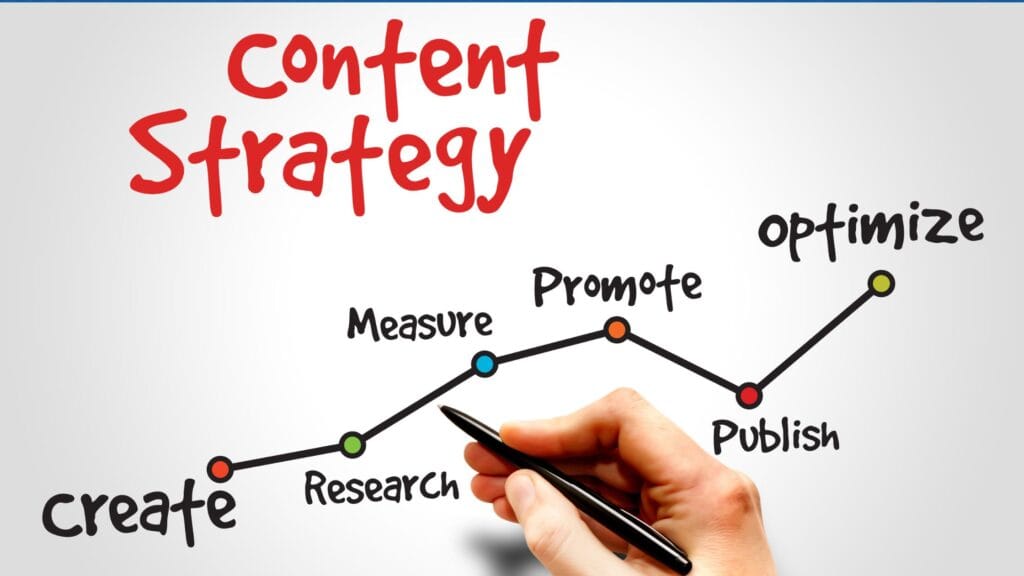
The Content Creation Process in Digital Marketing (Step-by-Step)
Here’s how professionals create content that actually performs:
1. Identify Your Audience
Understand their:
- Pain points
- Goals
- Interests
- Daily challenges
- Buying behavior
This ensures your content resonates instead of getting ignored.
2. Research What Your Audience Consumes
Use these tools:
- Google Trends
- Ubersuggest
- LinkedIn search
- YouTube auto-suggest
- AnswerThePublic
This step ensures you never run out of ideas.
3. Conduct Keyword & Topic Research
Keywords help you understand what people are searching for.
Low-difficulty keywords rank faster and build authority early.
Example:
“content creation in digital marketing” — perfect low-KD keyword for growing websites.
4. Create a Content Calendar
Plan your weekly or monthly posting schedule.
This gives structure and reduces inconsistency.
5. Create the Content (Draft + Design)
This is where your message comes to life.
Tips for better content:
- Write simply
- Avoid jargon
- Use examples
- Add visuals
- Keep paragraphs short
- Make each line valuable
6. Edit, Optimize & Improve
Check for:
- Clarity
- Grammar
- Structure
- SEO optimization
- Readability
7. Publish & Distribute
Publishing alone is not enough.
Distribution = reaching more people.
Share your content on:
- WhatsApp communities
- Medium
- Facebook groups
This multiplies reach.
8. Track & Analyze Performance
Use:
- GA4
- Search Console
- Instagram Insights
- LinkedIn Analytics
Track what’s working and double down.
9. Repurpose Content to 10+ Formats
One blog becomes:
- 3 reels
- 1 carousel
- 2 LinkedIn posts
- 1 YouTube script
- 1 newsletter
- 1 infographic
This is how you scale without burning out.
Content Creation Examples in Digital Marketing (2026)
Examples make learning easier. Here’s how brands use content:
Example 1 — Hospitality Brands
A boutique hotel posts city guides and guest experience reels.
Result:
- More direct bookings
- Strong brand trust
- Higher engagement
Example 2 — Travel Agencies
Travel blogs like “3-day itinerary for Manali” or “Best European destinations for 2026.”
Result:
- Organic traffic
- High-intent leads
- Better SEO
Example 3 — E-commerce Brands
Fashion brands post “How to style” videos.
Result:
- Increased conversions
- Stronger audience retention
Example 4 — SaaS Companies
Tutorials + case studies = strong B2B trust.
Example 5 — Freelancers
Posting value content (like this blog broken into carousels).
Result:
- Client inquiries
- Followers who trust you
- Authority in your niche
Tools Used for Content Creation in Digital Marketing
Here are the essential tools used by professionals:
Content Research Tools
- Google Trends
- AnswerThePublic
- SEMrush keyword overview
Writing Tools
- Google Docs
- Grammarly
- ChatGPT for ideation
Design Tools
- Canva → https://www.canva.com
- Figma
- Adobe Express
Video Tools
- CapCut
- Premiere Rush
- VN Video Editor
Content Scheduling Tools
- Buffer
- Hootsuite
- Notion
- Trello
These tools make the entire process smoother and faster.
Content Creation for Travel & Hospitality Businesses (Your Niche)
This is where your specialization shines.
Content creation is extremely powerful for travel & hospitality because:
1. People buy experiences, not products.
Visual content builds emotion.
2. Travelers search for information before booking.
Blogs + reels = instant trust.
3. UGC content boosts bookings.
Guests love sharing their experience.
4. Seasonal content attracts organic traffic.
“Best places to visit in December” performs every year.
5. Storytelling works best in this industry.
Hotels and travel brands can win with authentic, simple stories.
How to Start Content Creation for Your Business (Simple Beginner Plan)
Here’s the easiest way to begin:
✔ Step 1: Pick Your Primary Platform
Choose one to build first (LinkedIn, Instagram, or YouTube).
✔ Step 2: Pick 3 Content Formats
Example:
- Reels
- Carousels
- Blogs
✔ Step 3: Create 1 Week of Content at a Time
Batch creation = consistency.
✔ Step 4: Use Templates
Saves time and improves quality.
✔ Step 5: Repurpose Across Platforms
One piece → many outputs.
✔ Step 6: Track Analytics
Repeat what works. Stop what doesn’t.
Common Content Creation Mistakes to Avoid
Even experienced marketers get these wrong:
- Posting without strategy
- Writing only for yourself, not your audience
- Ignoring distribution
- Overthinking visuals
- Not optimizing for SEO
- Being inconsistent
- Not analyzing performance
- Copying competitors blindly
Avoid these and you’ll grow 2–3x faster.
Conclusion — Content Creation Is the Heart of Digital Marketing in 2026
Content creation in digital marketing is what helps brands stand out, attract ideal customers, and scale their online presence. Whether you’re a business owner, freelancer, or marketer, mastering content creation gives you a competitive advantage in 2026 and beyond.
If you want to understand how all these elements fit into the larger marketing ecosystem, read my full guide on Digital Marketing Meaning.
Informative and well-structured article on content creation in digital marketing! The focus on creating valuable, audience-centric content and using the right strategy makes it very practical. A great resource for beginners and marketers aiming to improve engagement and brand visibility.
Moving beyond volume-based content creation to focus on high-authority, audience-first narratives has completely transformed our engagement metrics over the last few quarters. Your piece captures the exact balance required to maintain that quality without sacrificing consistency in today’s crowded digital landscape.
This article explains the importance of content creation in digital marketing and how quality content drives engagement, brand awareness, and customer trust in today’s competitive online space. Appeonix Creative Lab, the best digital marketing agency in Thrissur, offers result-driven digital marketing services that help businesses build strong online visibility and connect with the right audience. Our expertise includes SEO, social media marketing, content marketing, and performance-focused strategies tailored to deliver measurable growth. Explore our services at:
https://www.appeonix.com/services/digital-marketing